Quiet Galilee Trails That Reward the Careful Traveler
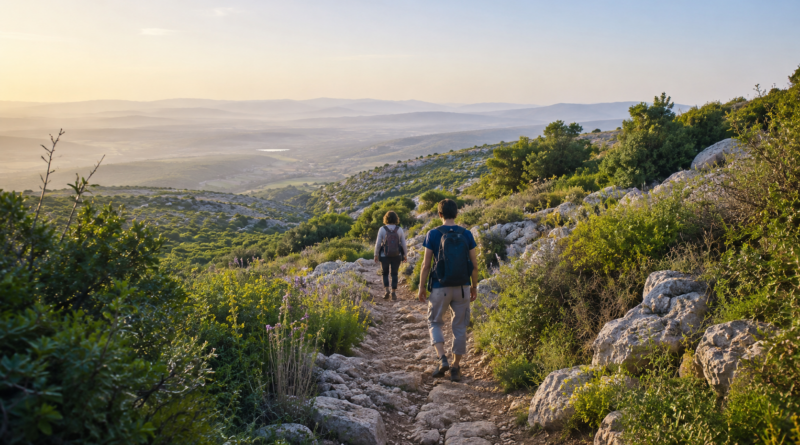
Galilee is known for famous religious sites and popular nature reserves, but some of its most rewarding walks begin beyond the busiest visitor routes. Short village paths, forest tracks and old agricultural terraces offer quieter ways to understand the landscape, especially during the cooler months.
A good starting point is to choose a route based on season rather than distance alone. Spring brings wildflowers and flowing streams, while autumn offers softer light and fewer crowds. Summer hiking requires an early start, generous water supplies and careful attention to exposed sections. After rain, limestone can become slippery and small crossings may change quickly.
Many lesser-known trails follow paths used for generations by farmers and shepherds. Stone walls, olive groves and abandoned cisterns reveal how people managed soil and water on steep hillsides. These features are historically valuable, so walkers should avoid climbing on walls or moving stones.
Navigation deserves preparation. Some routes are clearly marked, while others use local signs or cross open land. Downloading an offline map is useful because mobile coverage can disappear in valleys. Hikers should also tell someone where they are going and check whether a trail crosses a reserve, private field or seasonal closure.
Small communities can benefit when visitors travel responsibly. Buying food from a village bakery, using a local guide or staying in a family guesthouse keeps more tourism income in the area. Respectful clothing and quiet behavior are appreciated near homes and religious sites.
Wildlife is another reason to move slowly. Birds, reptiles and small mammals are easier to notice away from crowded viewpoints. Keeping distance and carrying all rubbish protects these habitats. Dogs may need to remain leashed, particularly near grazing animals.
Public transport can reach some trailheads, although schedules may be limited. Planning a one-way walk between two villages sometimes works better than returning to a parked car. Shared taxis and local buses can fill gaps if arranged in advance.
The attraction of these routes is not dramatic infrastructure. It is the combination of open views, cultivated land and ordinary village life. A modest path may offer no visitor center or souvenir shop, yet it can provide a more personal sense of Galilee.
Travelers who prepare carefully and leave little impact will find that the region rewards patience. The quieter trail often reveals details missed from the highway: the smell of herbs, water moving through stone channels and changing light across the hills.