How to Plan a Lower-Impact City Break Without Missing the Highlights
A short city break does not have to depend on taxis, rental cars and a packed schedule. In Israel’s larger cities, travelers can build a rewarding weekend around public transport, walking and local neighborhoods while reducing both cost and environmental impact.
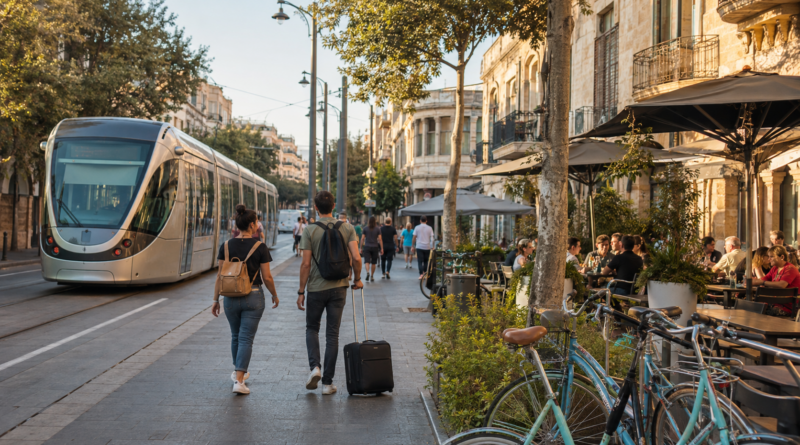
The first step is choosing accommodation near a useful transport connection rather than the most photographed square. A hotel or guesthouse close to light rail, a major bus route or a railway station can save time throughout the trip. It also makes it easier to return during the day without arranging a separate ride.
Packing lightly improves mobility. A small bag is easier on station stairs and crowded sidewalks, and it encourages visitors to buy only what they genuinely need. Refillable water bottles, comfortable shoes and a reusable shopping bag are simple additions that reduce disposable waste.
Public transport works best with realistic planning. Instead of crossing the city repeatedly, travelers can group museums, markets and historic streets by neighborhood. A slower route often reveals cafés, small galleries and parks that disappear when every journey is made directly from one attraction to another.
Walking remains the best way to understand urban scale, but heat must be respected. Early mornings and late afternoons are more comfortable in warmer months. Shaded streets, public gardens and indoor cultural sites can form part of a midday route. Sun protection and regular water stops are essential.
Food choices can also support responsible travel. Neighborhood restaurants and market stalls usually keep more spending within the local economy than international chains. Ordering seasonal dishes and avoiding unnecessary packaging adds another small benefit.
Bicycle sharing may suit flat areas and protected lanes, although visitors should understand local traffic rules before riding. Where cycling feels uncomfortable, light rail and buses provide an easier alternative. The goal is not to use every sustainable option; it is to choose transport that is safe and practical.
Historic districts require particular care. Residents live beside many famous sites, so quiet behavior, appropriate clothing and respect for private entrances matter. Travelers should also avoid blocking narrow streets while taking photographs.
A lower-impact city break is not a test of perfection. One taxi ride or packaged snack does not ruin the trip. The meaningful change comes from making the majority of journeys thoughtfully.
Traveling at a human pace often improves the experience. Less time in traffic creates more time for conversation, observation and unexpected discoveries. By using existing transport and supporting local businesses, visitors can enjoy the city while placing fewer demands on it.